
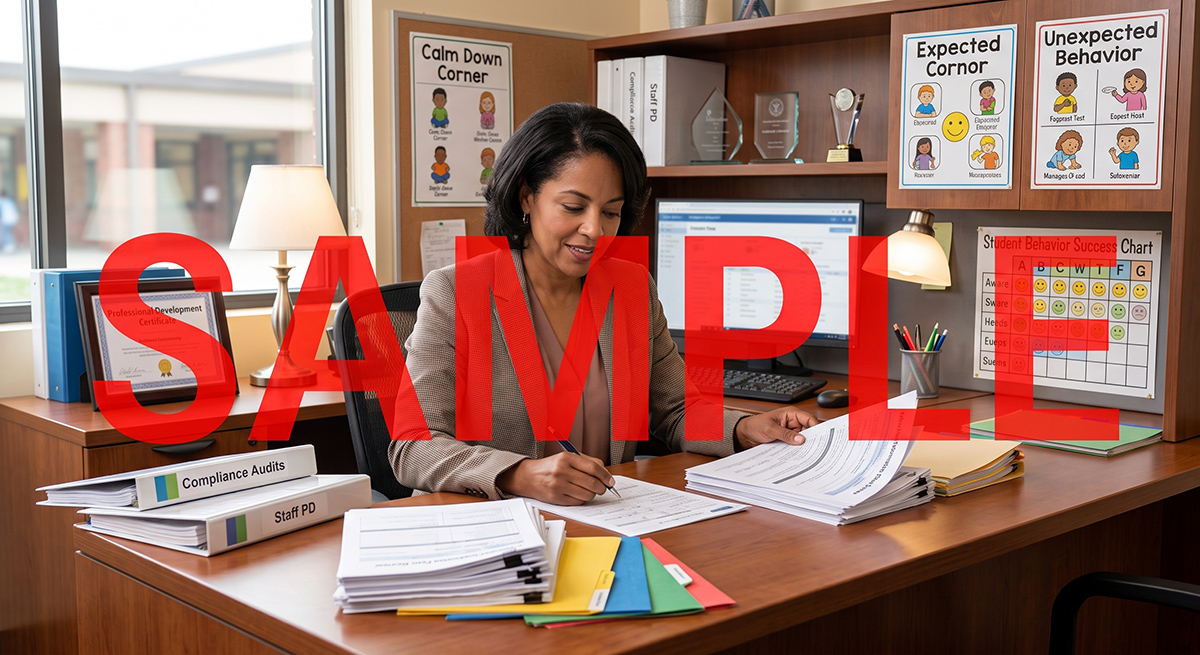
Teachers, special education instructors, and paraprofessionals working with neurodivergent students often struggle to collect accurate behavioral data while managing a busy, unpredictable classroom. Simple, streamlined frameworks make data collection manageable without disrupting instructional flow.
Choose the Right Metric for the Setting
- Frequency Counts: Best for discrete, observable behaviors with clear beginnings and ends (e.g., hand-raising, calling out, elopement attempts).
- Duration or Latency Recording: Best for events where knowing how long a behavior lasted or how long it took to start following a direction is critical (e.g., transition delays, task initiation time).
Use Tally Sheets and Clickers
Keep manual hand-counters or simplified, pre-printed grid sheets accessible on clipboards, lanyards, or teacher desks. Making quick tally marks effortless ensures data is captured accurately during active lessons without requiring teachers to memorize counts.
Partner Regularly with Your BCBA
Coordinate closely with school-based or visiting behavior analysts to review data trends weekly. Collaborative review ensures instructional adjustments and positive behavior supports can be refined promptly to benefit the student.